













Fresnel Lens for PIR Motion Sensors | Infrared Lens Technology by Yuying Optical
Fresnel Lens for PIR Sensors
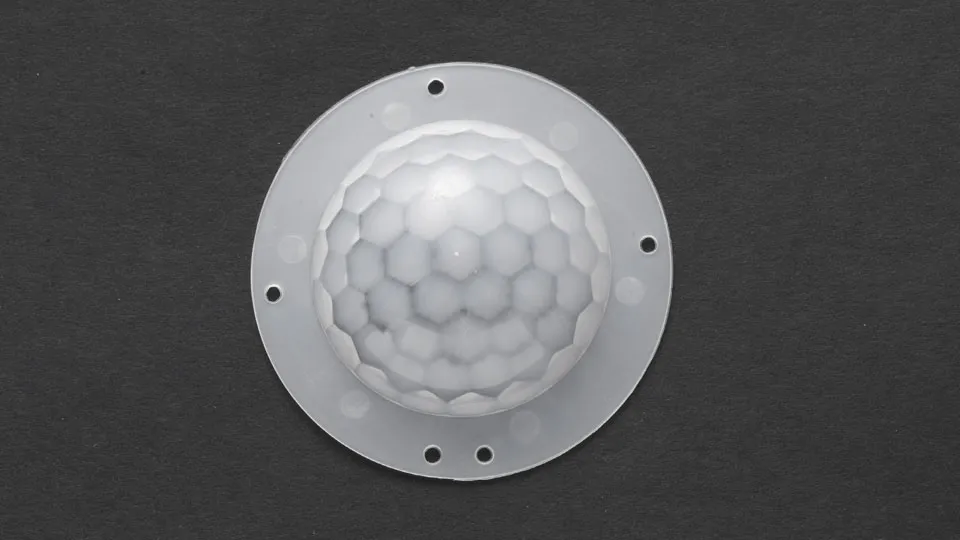
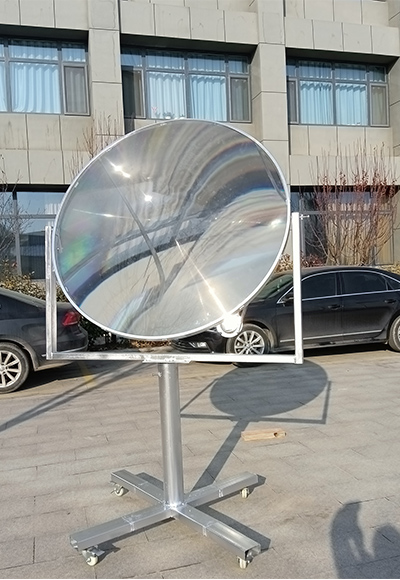
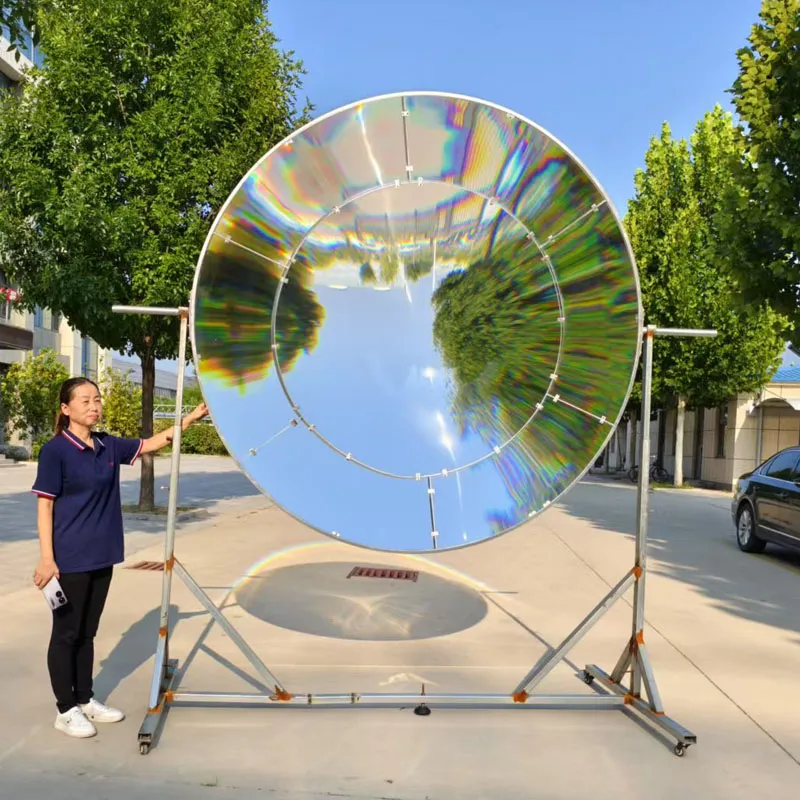
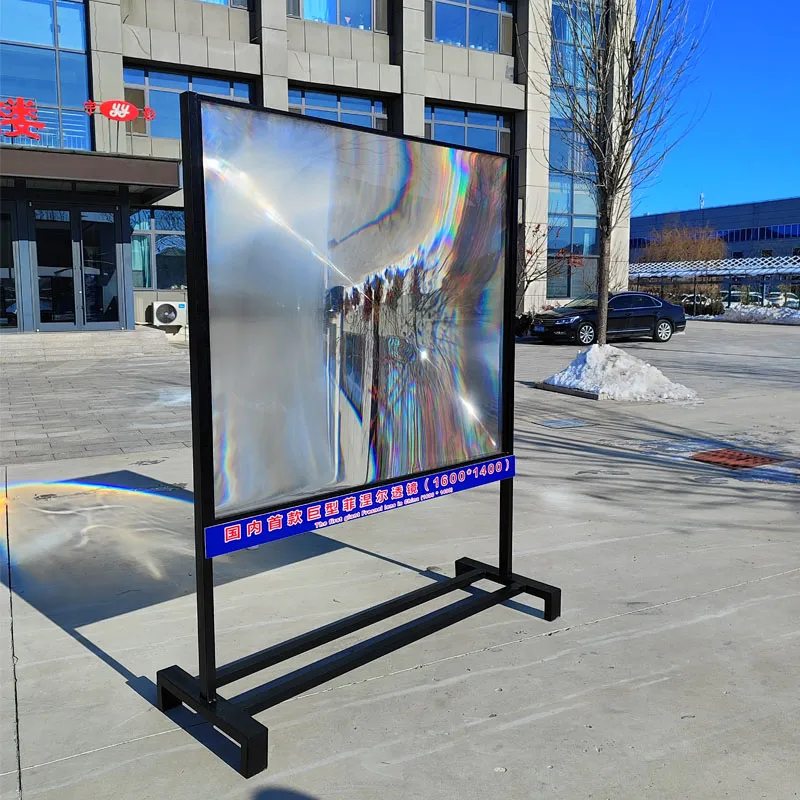
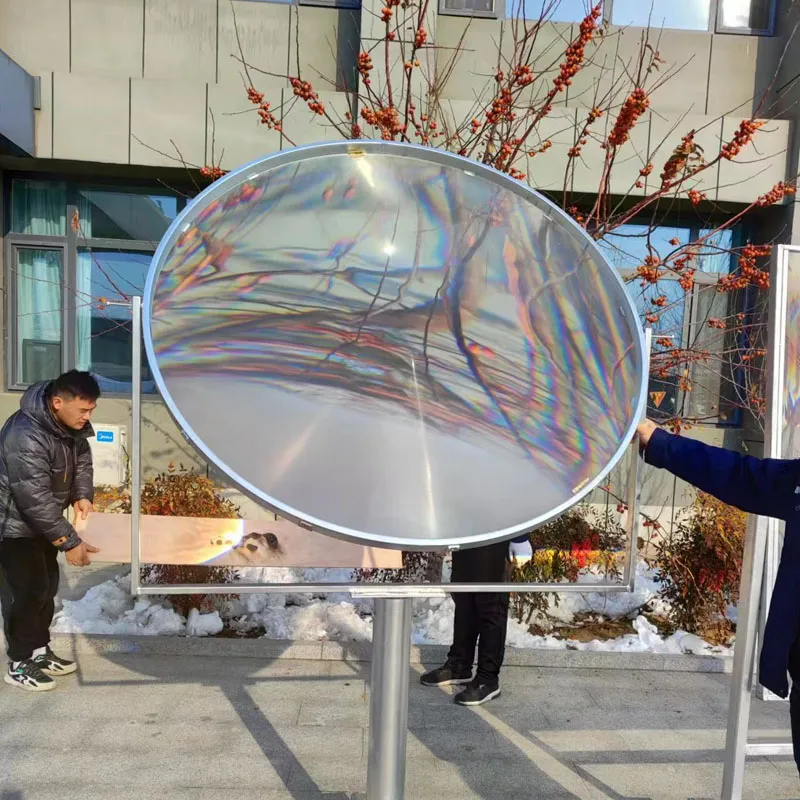
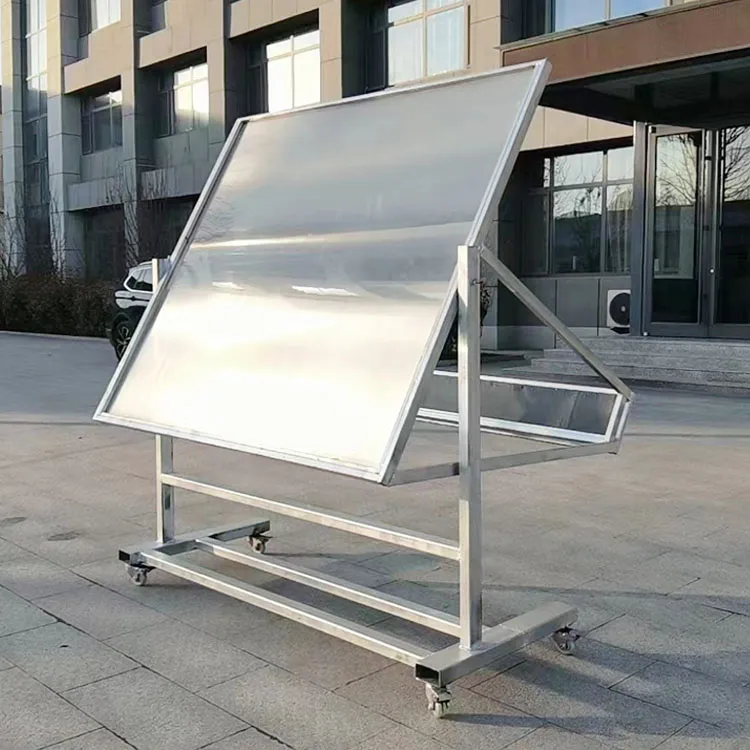
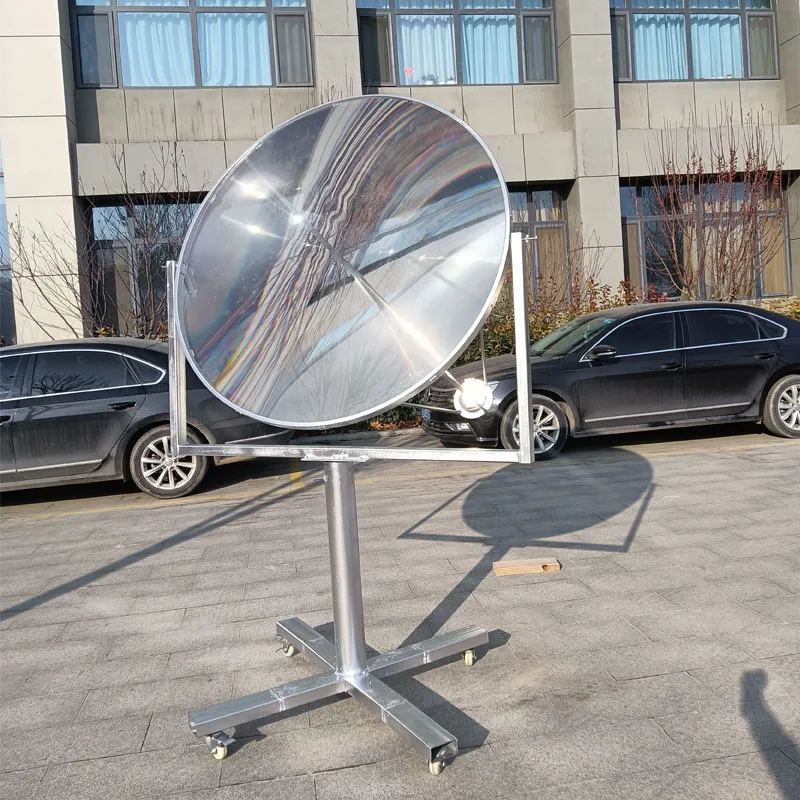
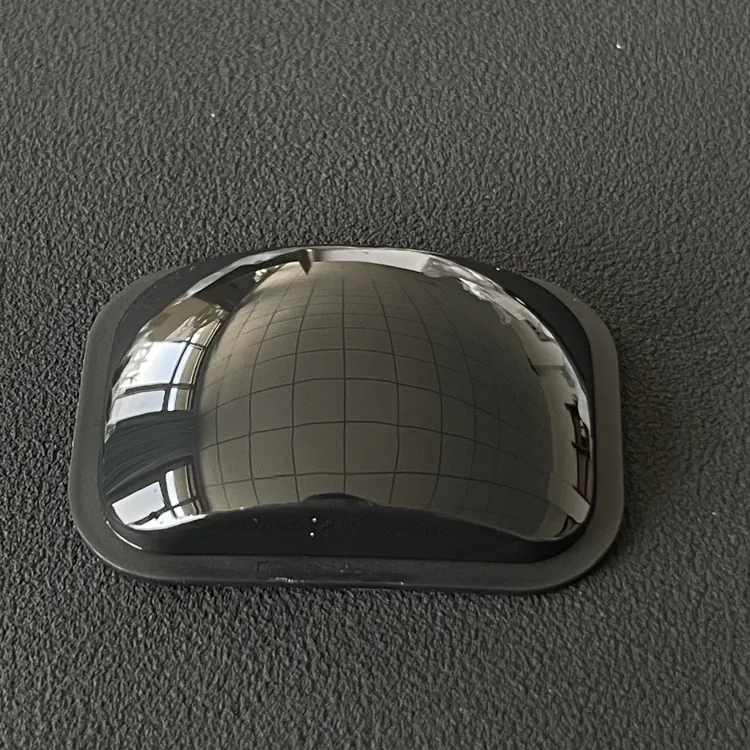
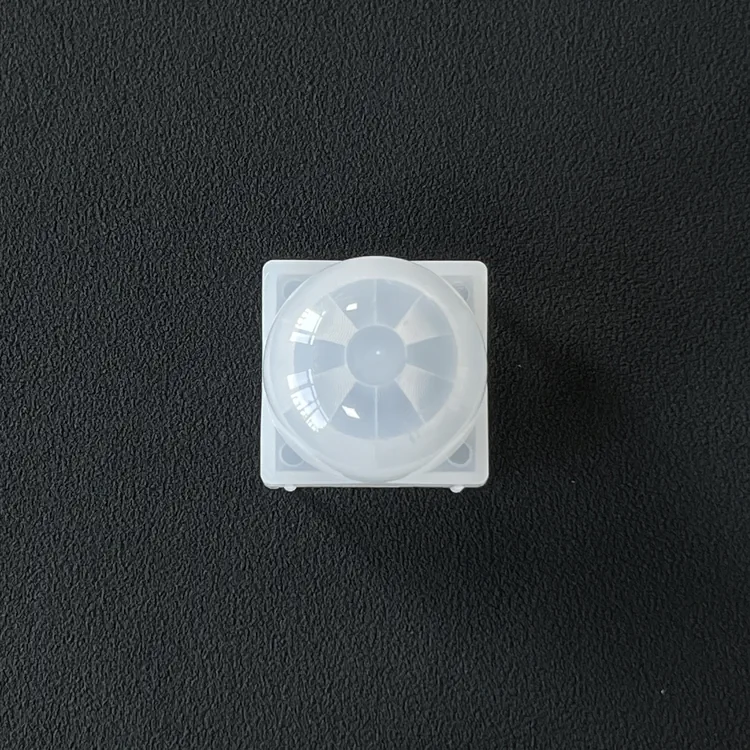
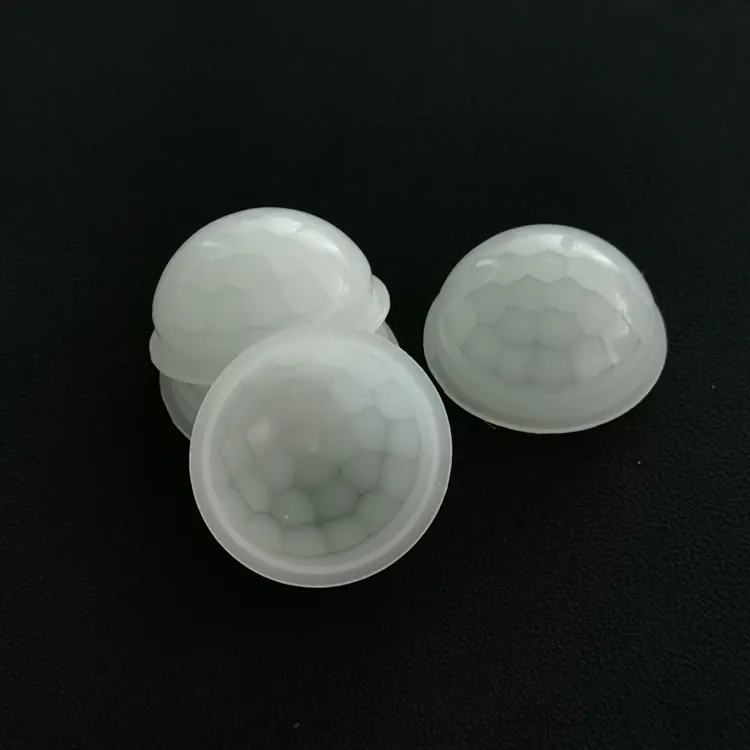
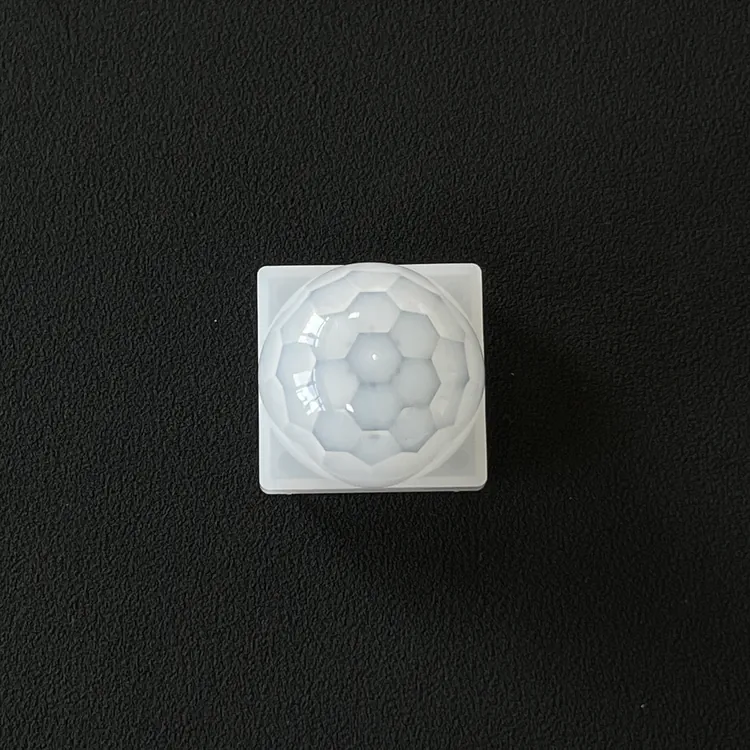
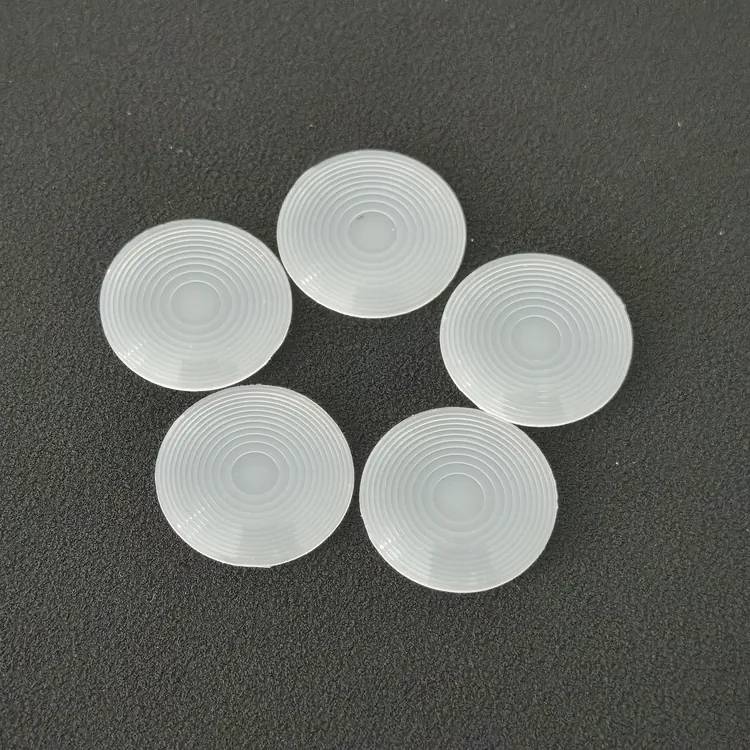
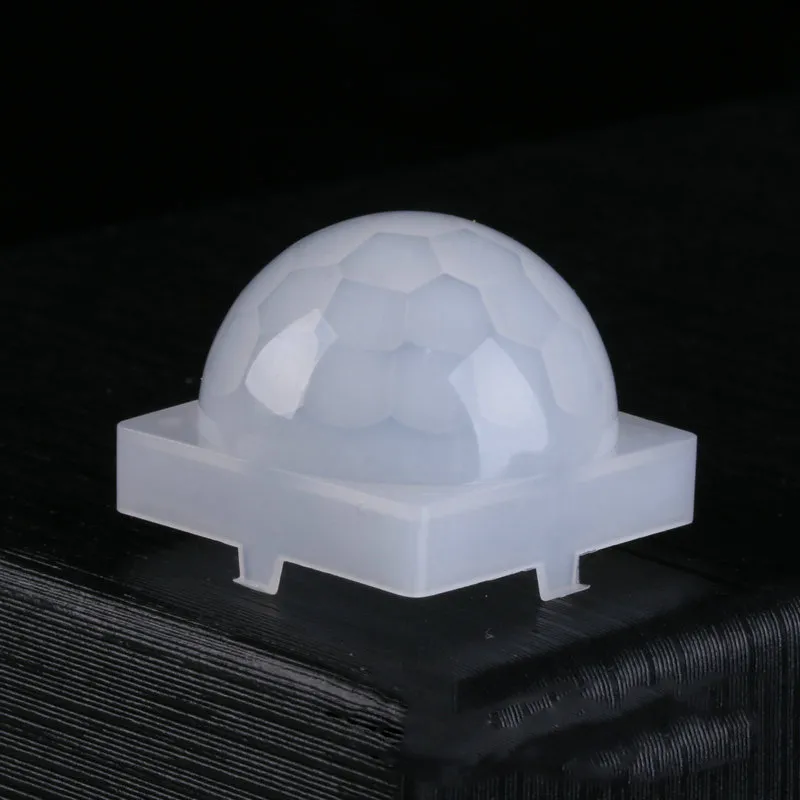
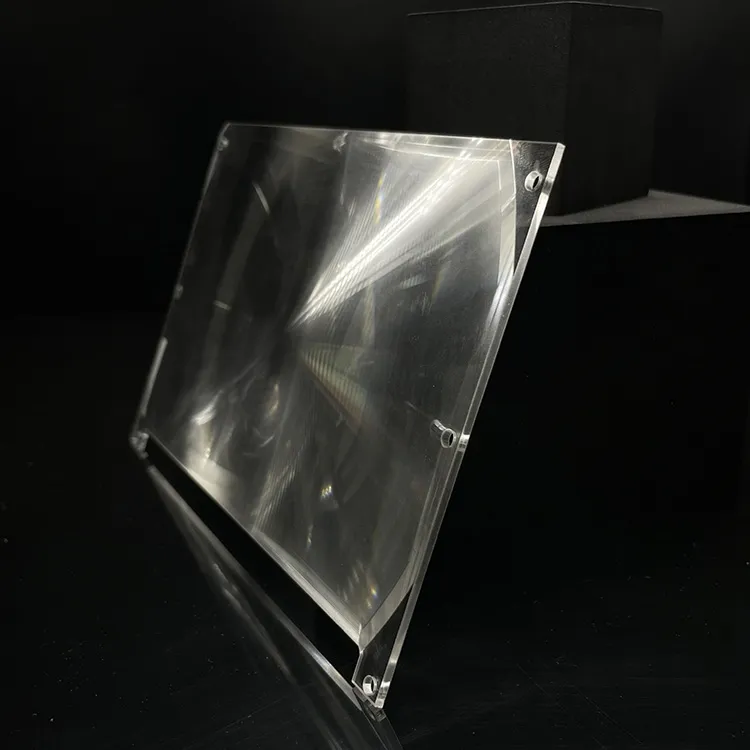
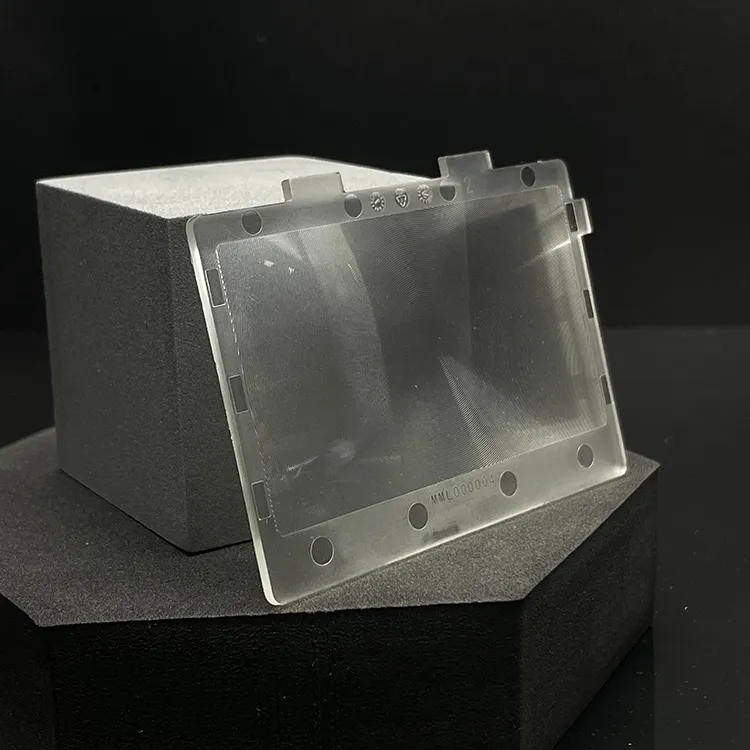
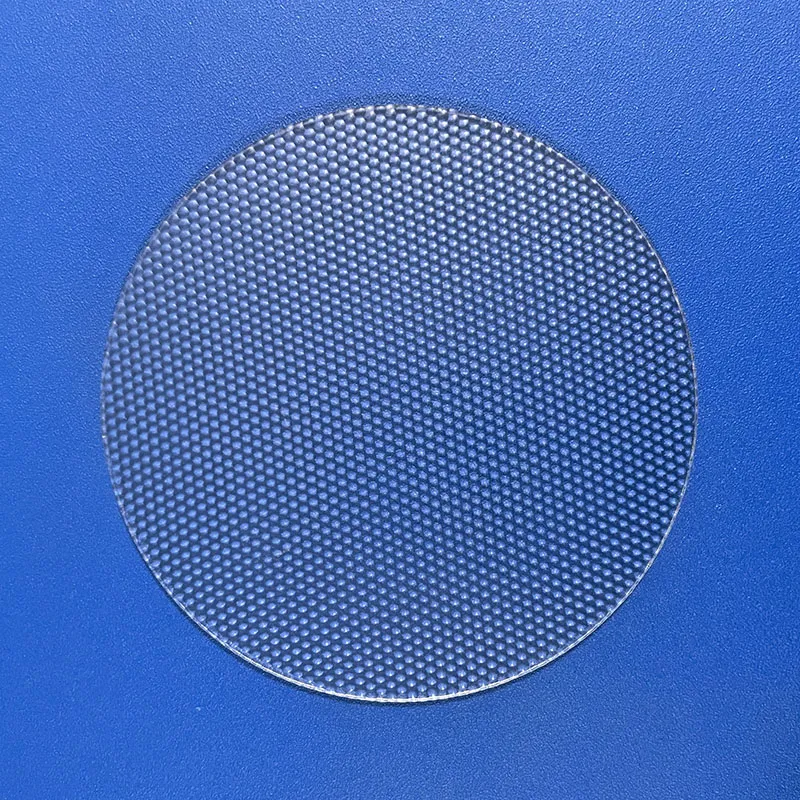
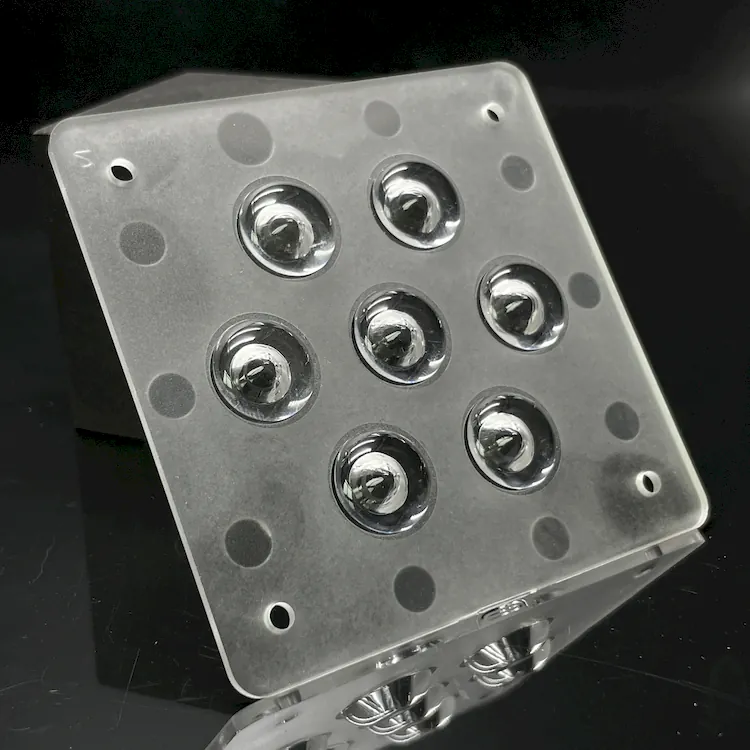
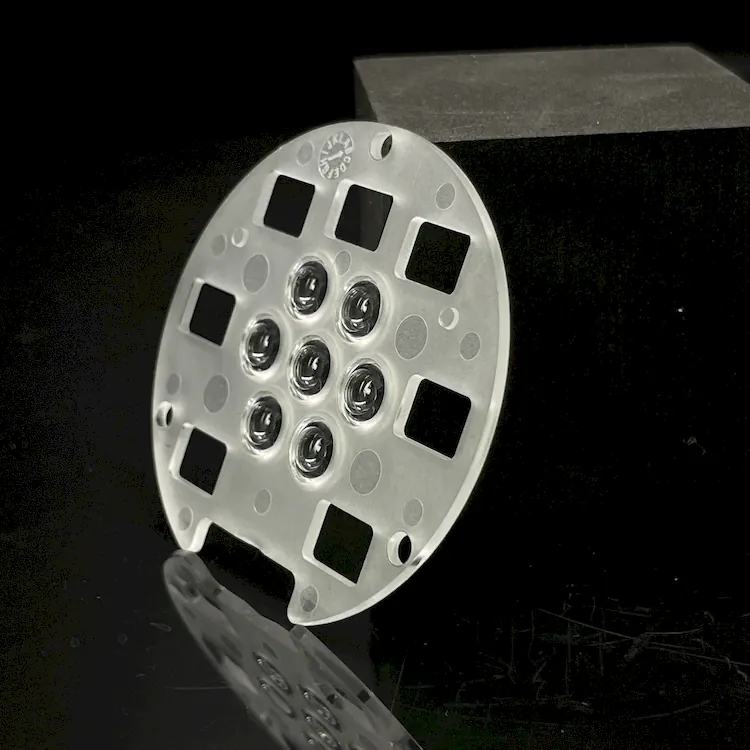
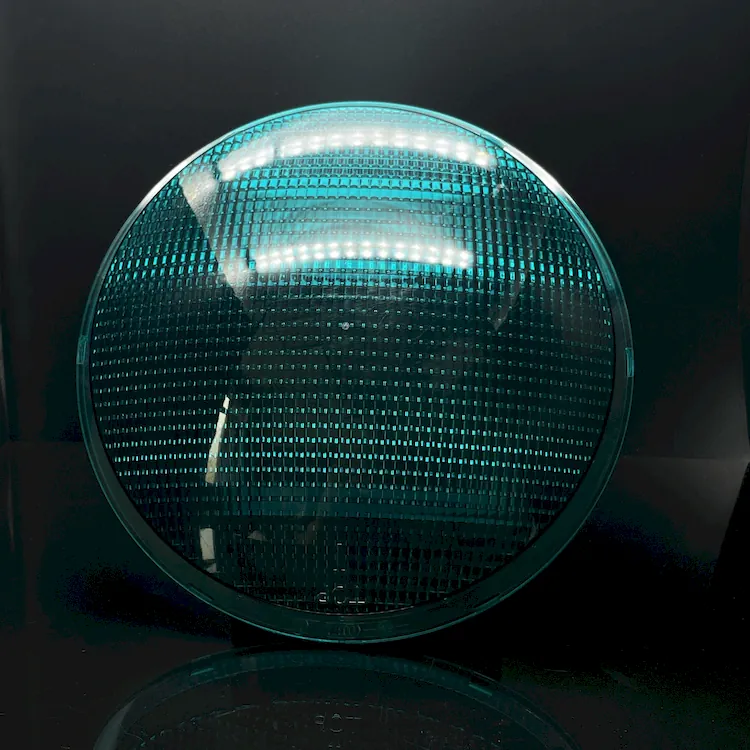
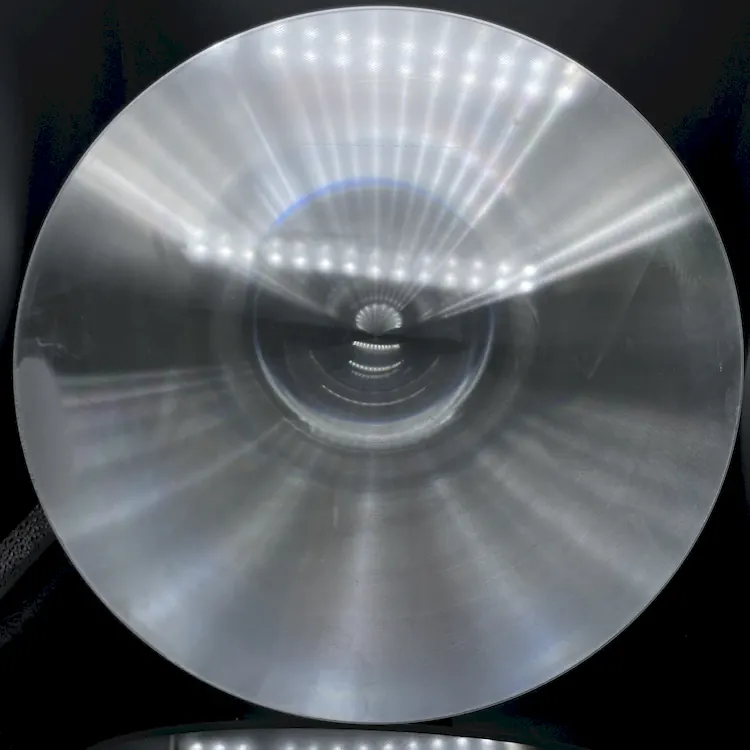
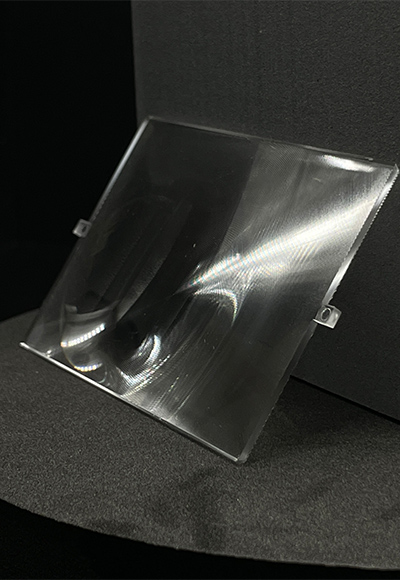
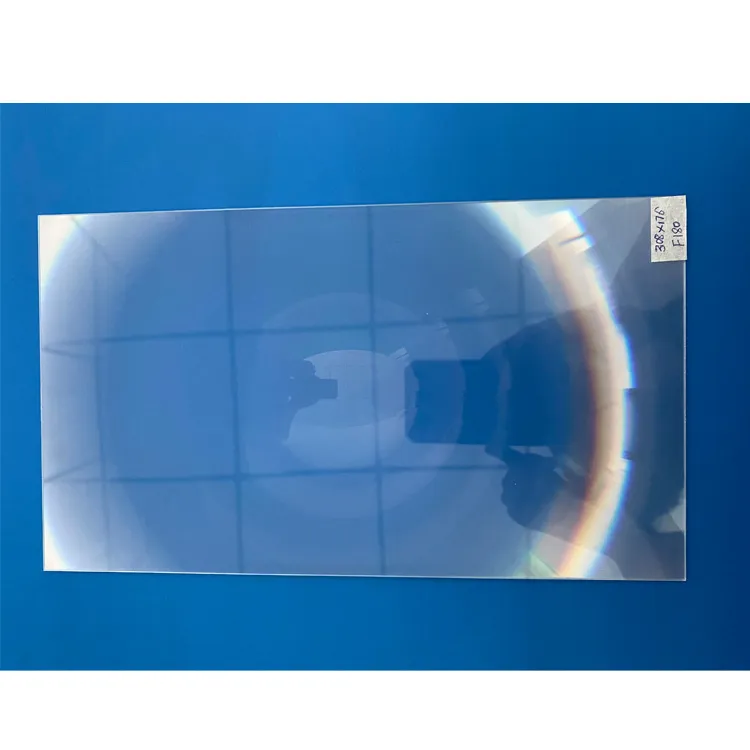
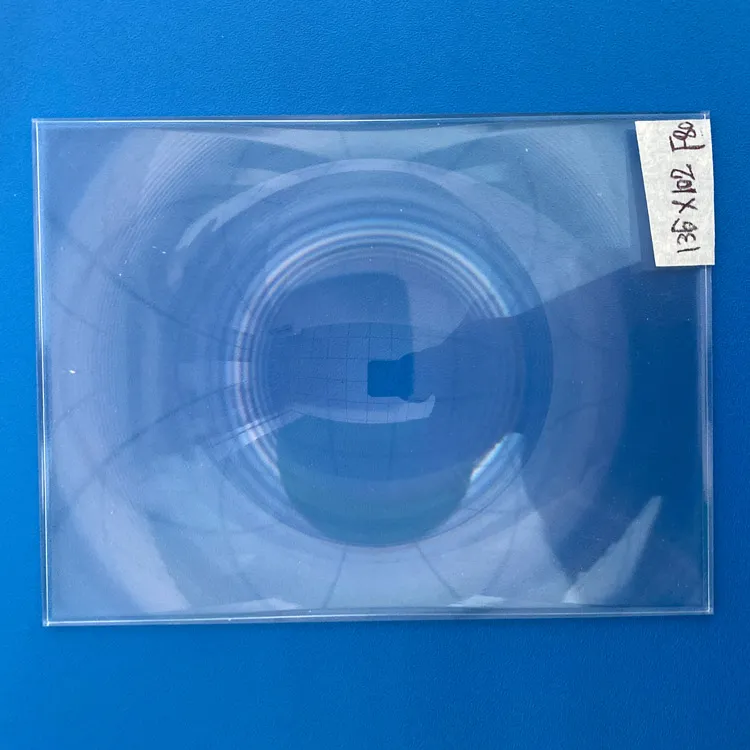
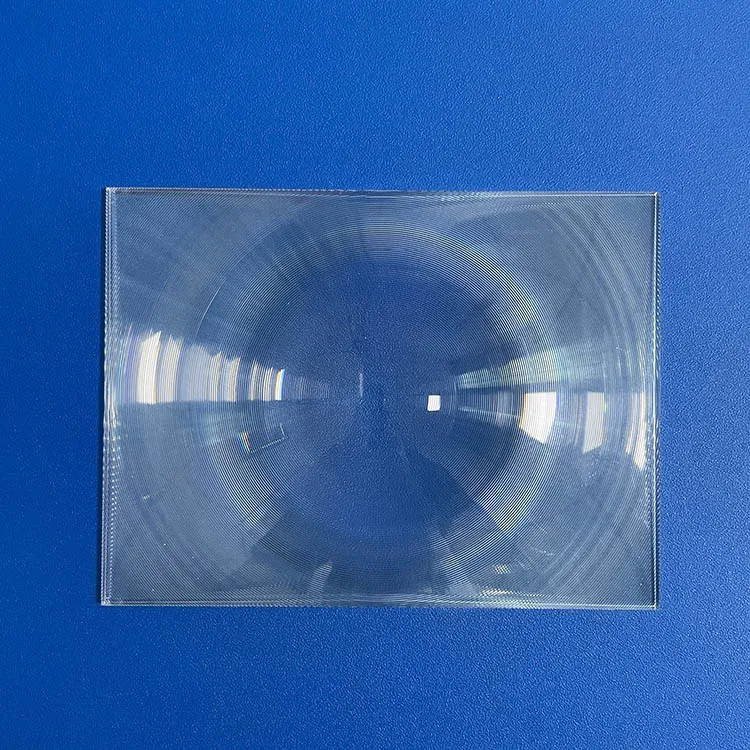
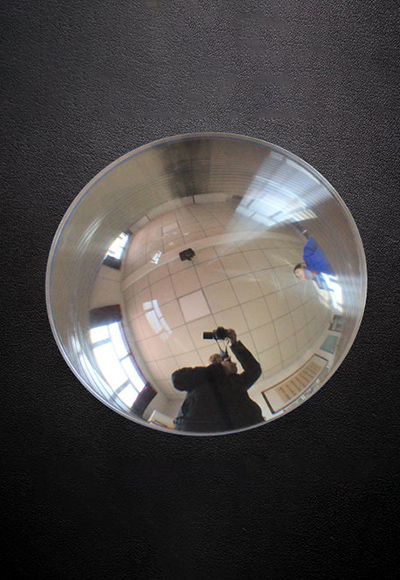
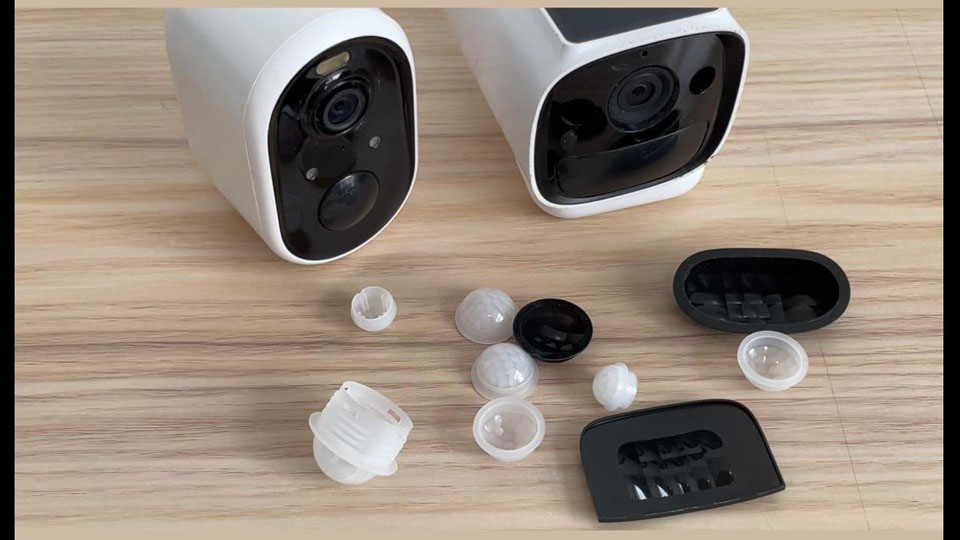
Fresnel lenses are essential optical components used in passive infrared (PIR) sensors. Their concentric groove structure focuses infrared radiation onto the sensor element and divides the sensing field into multiple detection zones. This design allows PIR sensors to detect moving heat sources, such as the human body, by recognizing changes in infrared radiation.
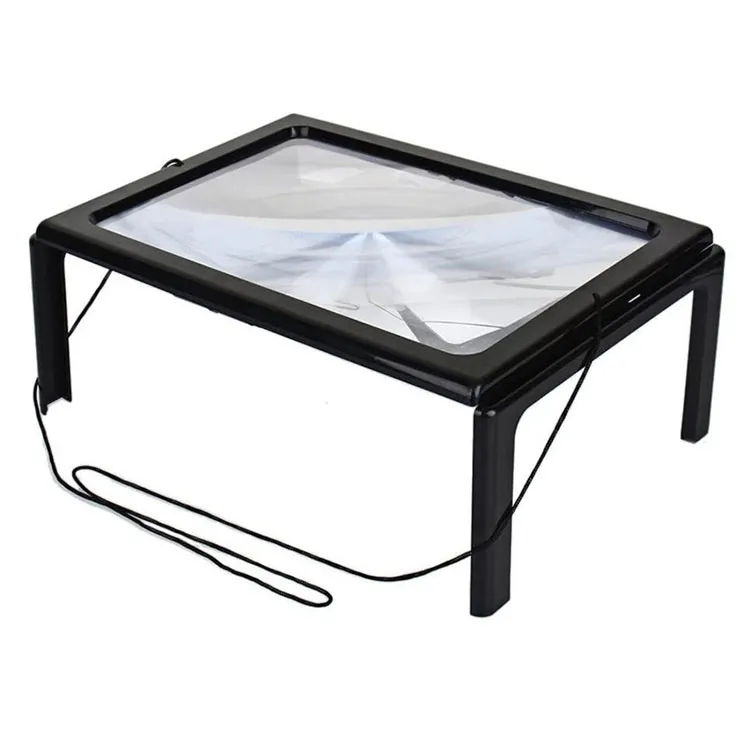
Compared with traditional optical lenses, Fresnel lenses provide similar focusing performance with significantly reduced thickness and material usage. They are widely applied in motion detectors, security systems, automatic lighting, and smart home devices.
Manufacturers such as Shandong Yuying Optical Instrument Co., Ltd. produce customized infrared Fresnel lenses for various sensing distances, detection angles, and application environments.
Why Are Fresnel Lenses Used in PIR Sensors?
In passive infrared (PIR) motion detection systems, the optical lens is a critical component that determines the sensor's detection distance, sensitivity, and coverage area.
Among various optical solutions, the Fresnel lens has become the most widely used optical element in PIR sensor modules because of its lightweight structure, efficient infrared focusing capability, and cost-effective manufacturing process.
Fresnel lenses are commonly used in applications such as:
- Motion detectors
- Security alarm systems
- Smart lighting systems
- Occupancy sensors
- Smart home devices
With more than 30+ years of experience in Fresnel optics manufacturing, Shandong Yuying Optical Instrument Co., Ltd. provides customized infrared Fresnel lens solutions for sensor manufacturers worldwide.
Key Functions of Fresnel Lenses in PIR Sensors
1. Infrared Radiation Focusing
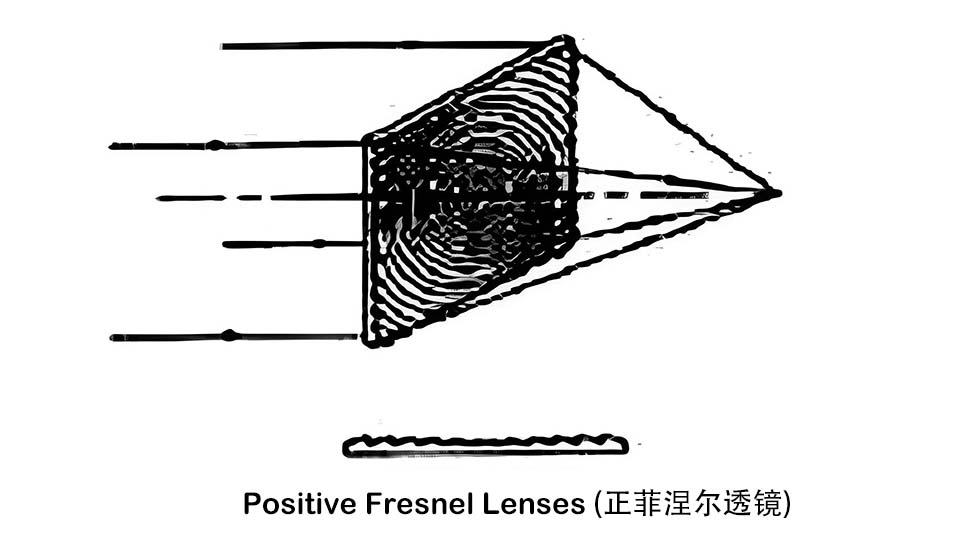
The primary function of a Fresnel lens in a PIR sensor is to collect and focus infrared radiation onto the sensing element.
The human body emits infrared radiation with a peak wavelength of approximately 10 μm. A properly designed Fresnel lens concentrates this infrared energy onto the PIR sensor's sensitive surface, increasing detection accuracy and sensitivity.
This optical focusing mechanism helps PIR sensors detect temperature changes caused by moving objects.
2. Division of Detection Zones
Another important function of a Fresnel lens is to divide the sensing field into multiple optical detection zones.
The concentric groove structure of the lens creates alternating active and inactive sensing areas. When a person moves through these zones, the infrared signal received by the PIR sensor changes accordingly.
These signal variations are processed by the electronic circuit and can trigger:
- Alarm systems
- Automatic lighting
- Smart control devices
This design allows PIR sensors to respond primarily to motion-based infrared changes rather than static temperature differences.
Optical Structure of a Fresnel Lens
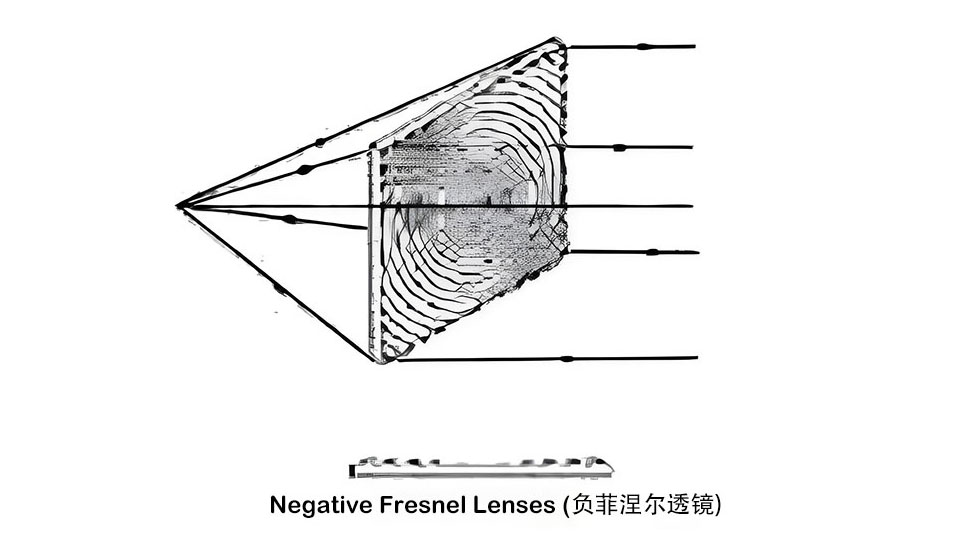
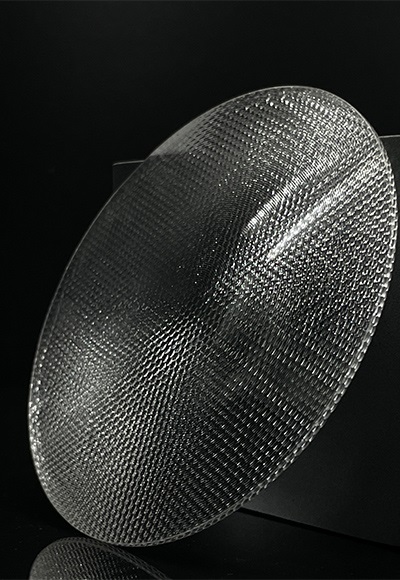
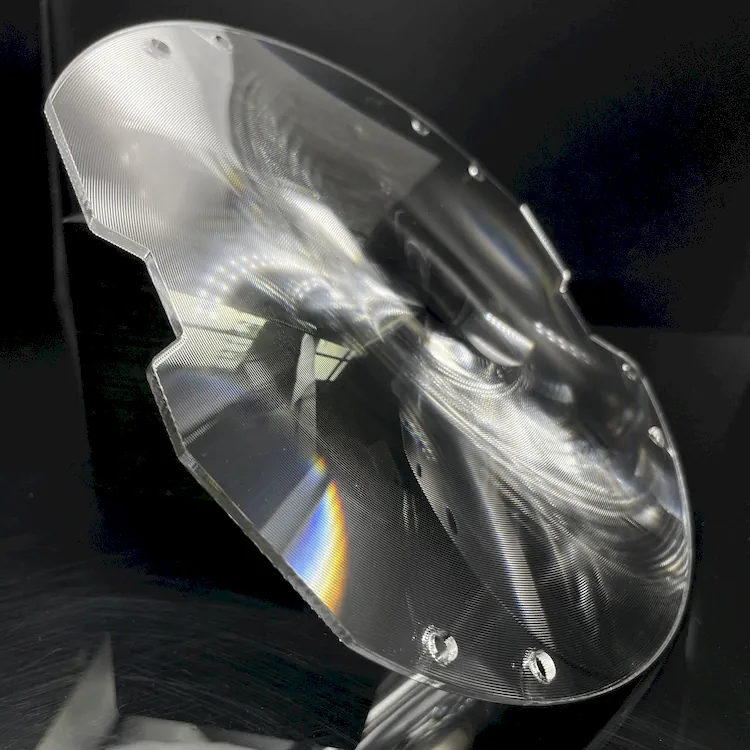
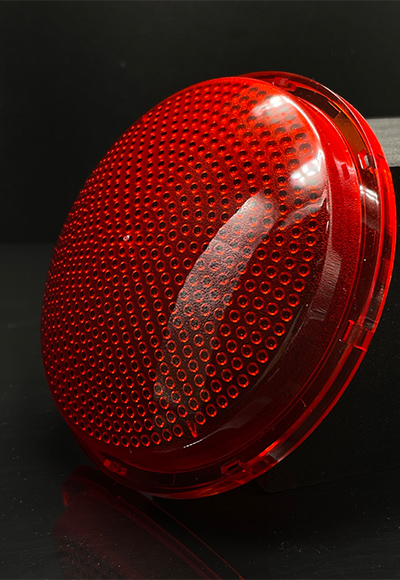
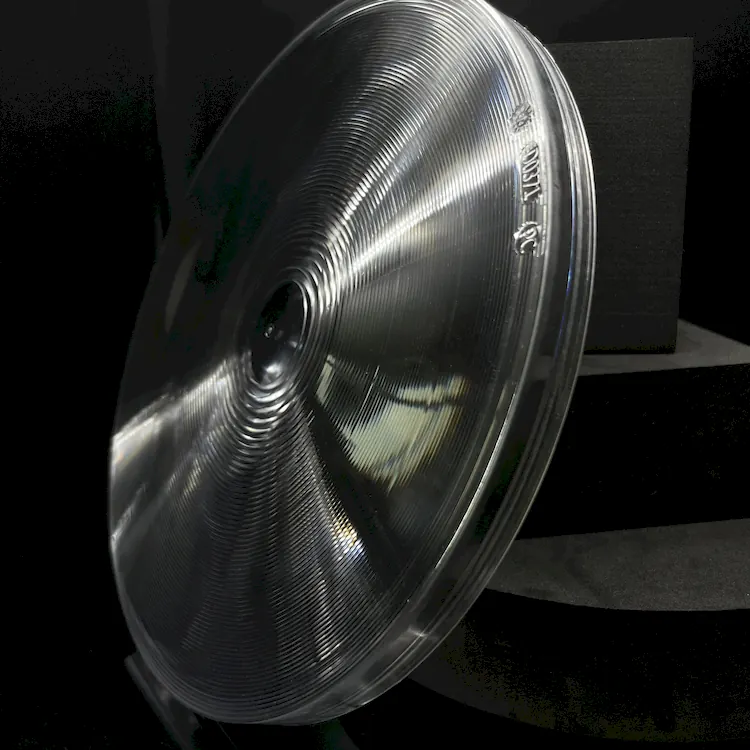
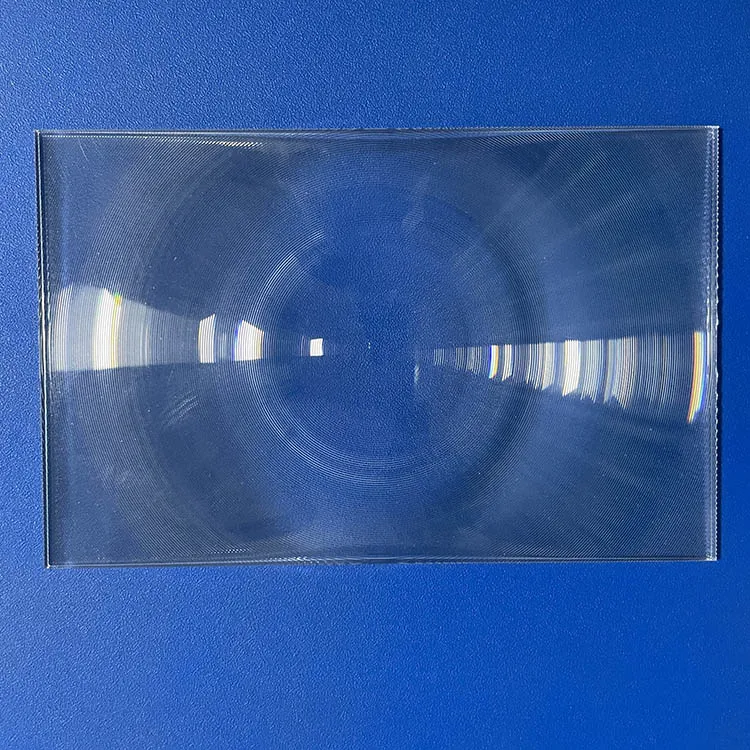
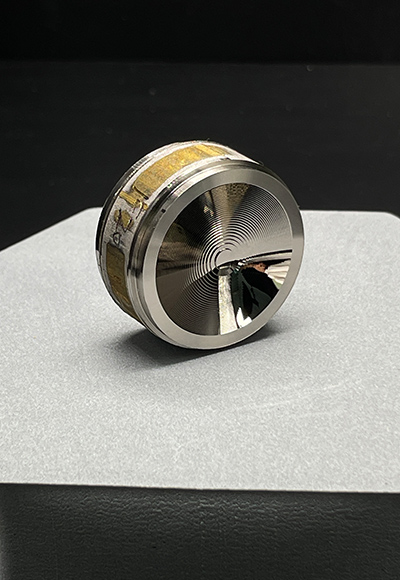
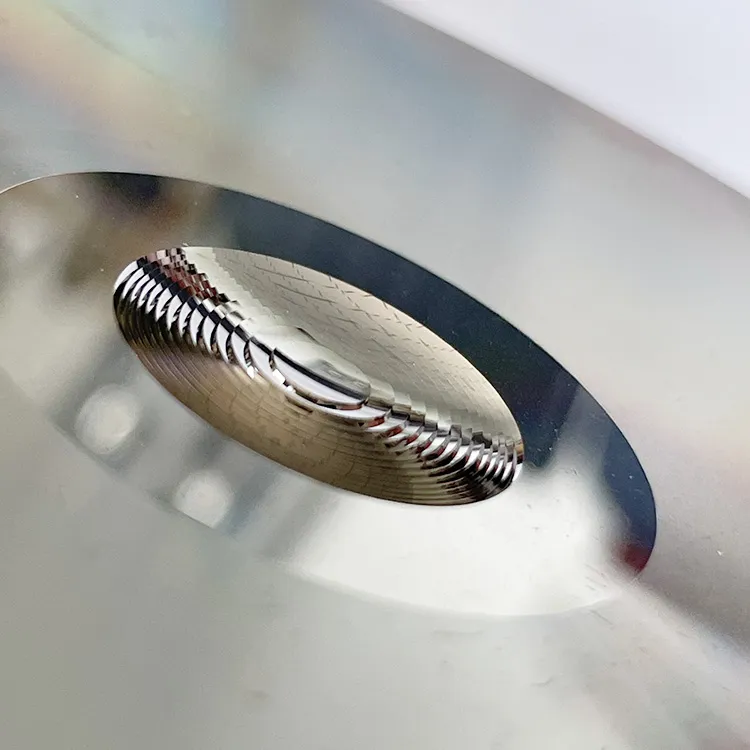
Unlike conventional optical lenses, Fresnel lenses use a series of concentric ring grooves to replicate the focusing capability of a traditional curved lens.
Each groove acts like a small prism that bends incoming infrared radiation toward the sensor element.
This optical structure offers several advantages:
- Reduced material consumption
- Lightweight design
- Thin lens profile
- Lower production cost
- High manufacturing efficiency
Because of these benefits, Fresnel lenses are widely used in infrared sensing and optical detection systems.
Detection Zone Design and Sensor Performance
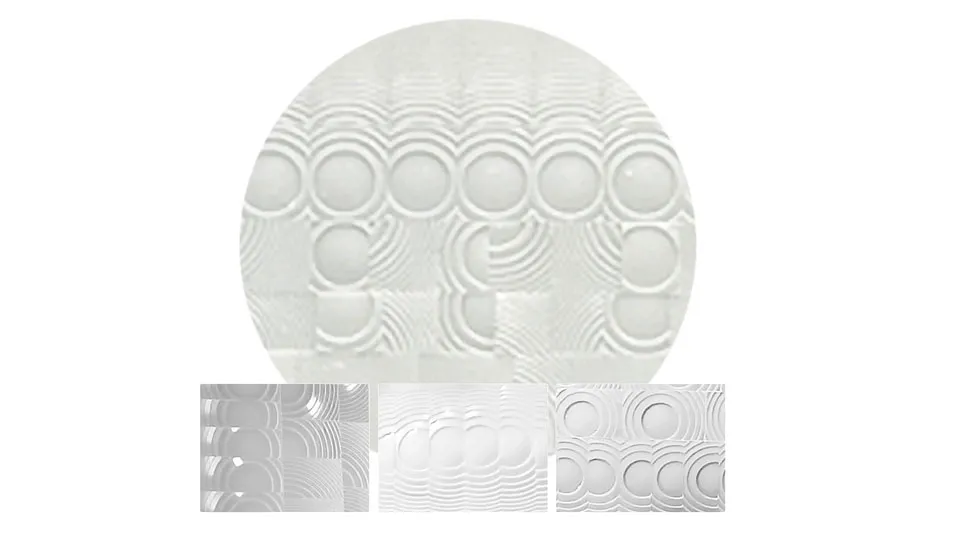
The detection performance of a PIR sensor is closely related to the optical design of the Fresnel lens, including:
- Groove density
- Lens focal length
- Segment distribution
- Lens size and geometry
Design characteristics include:
More grooves
- Wider detection angles
- Higher zone density
Deeper groove structure
- Improved long-distance sensing capability
More detection segments
- Increased sensitivity to small movements
Fewer segments
- Suitable for detecting larger movements
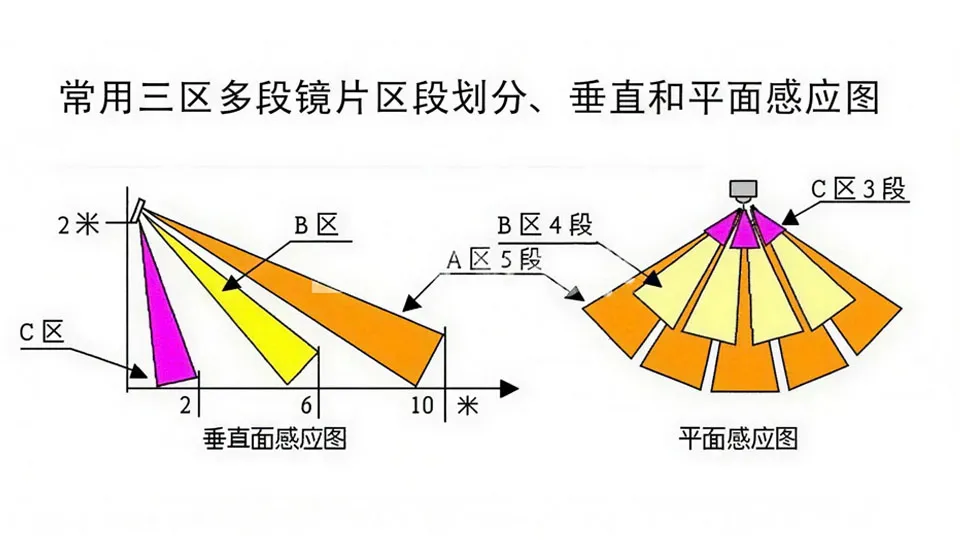
Multiple concentric rings typically form a vertical sensing zone, while multiple zones combine to create the full horizontal detection field.
Careful optical design helps minimize blind spots and improves detection stability.
Common Shapes of PIR Fresnel Lenses
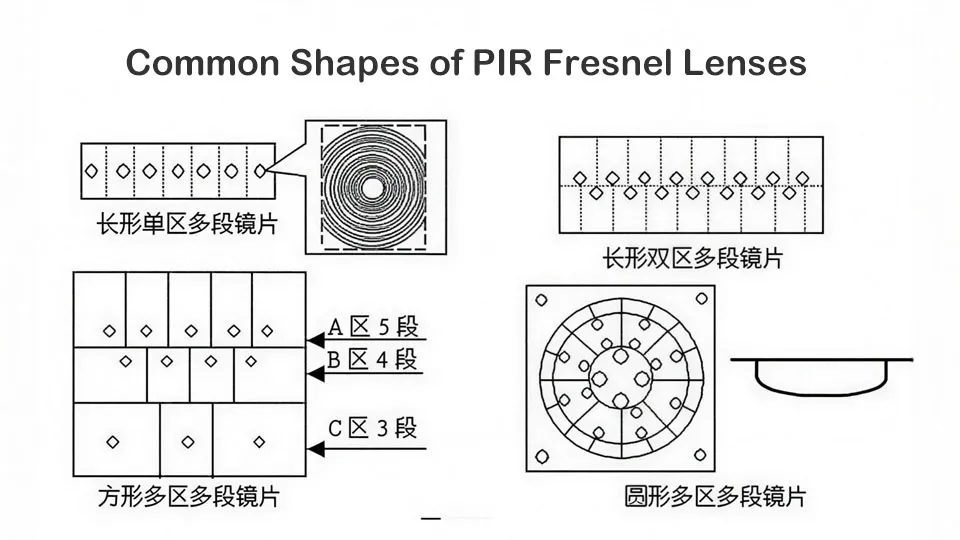
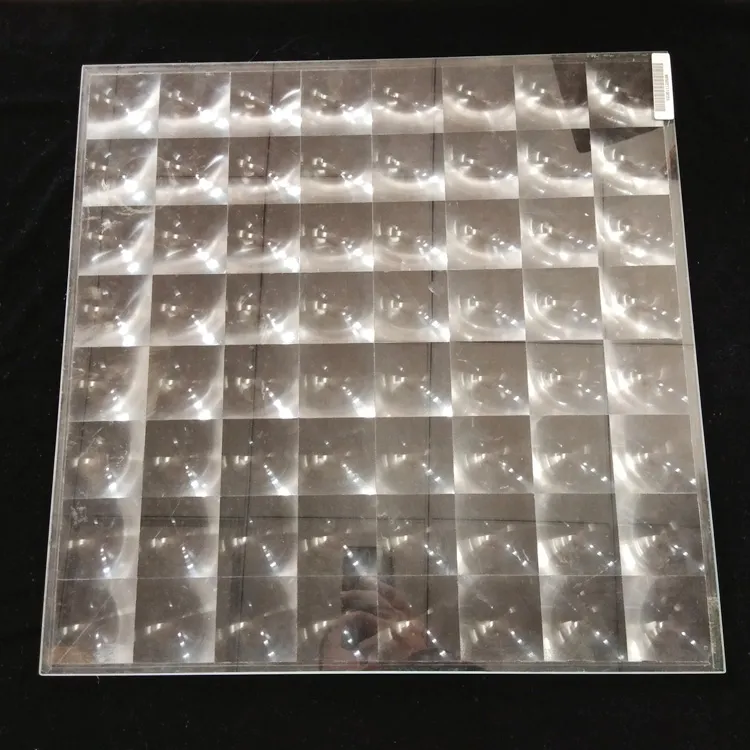
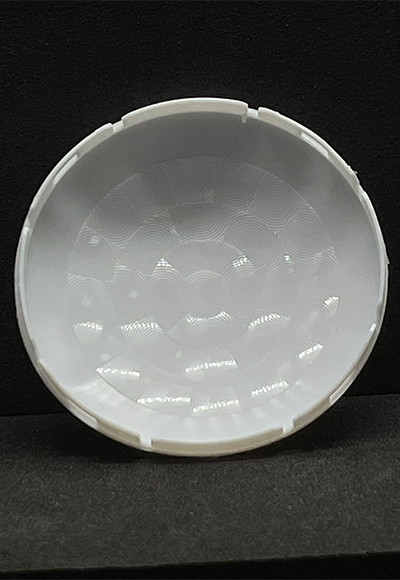
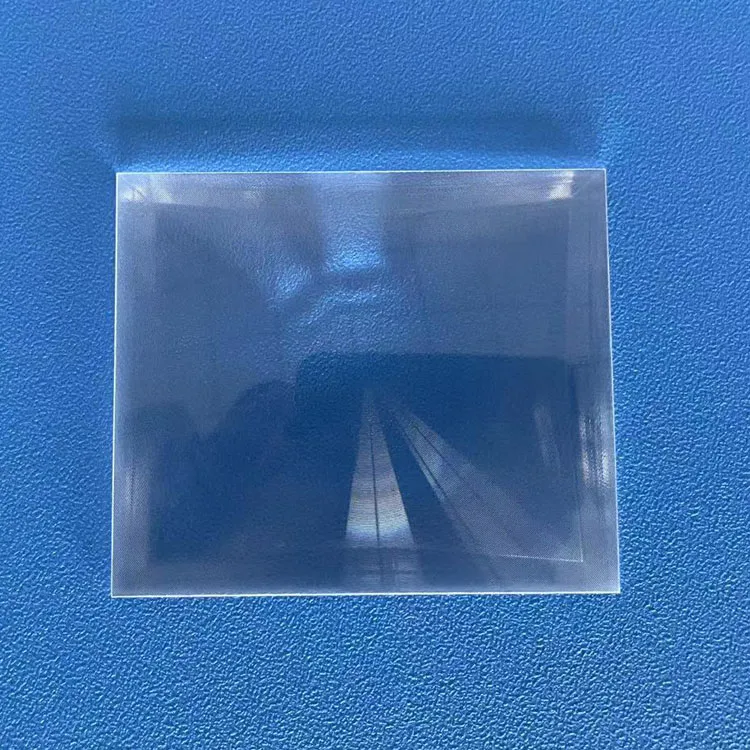
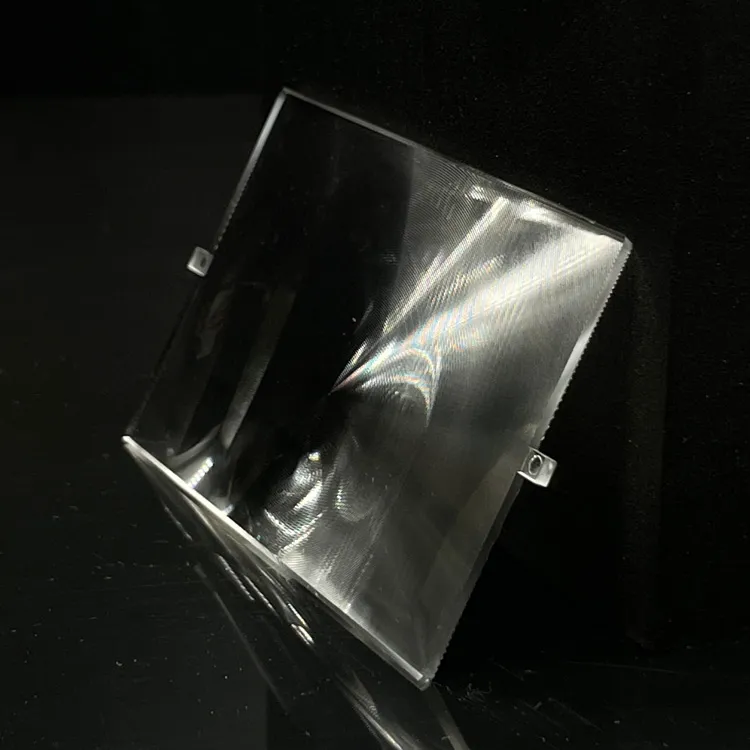
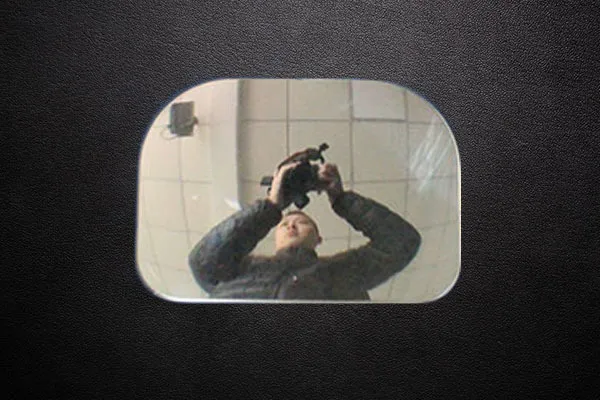
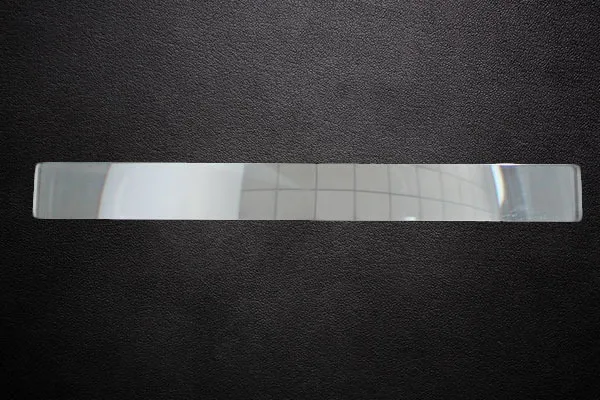
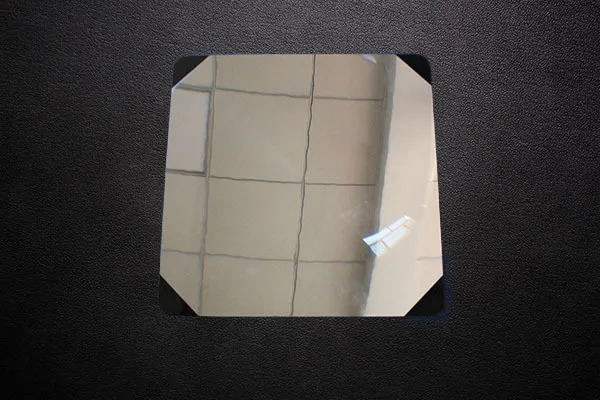
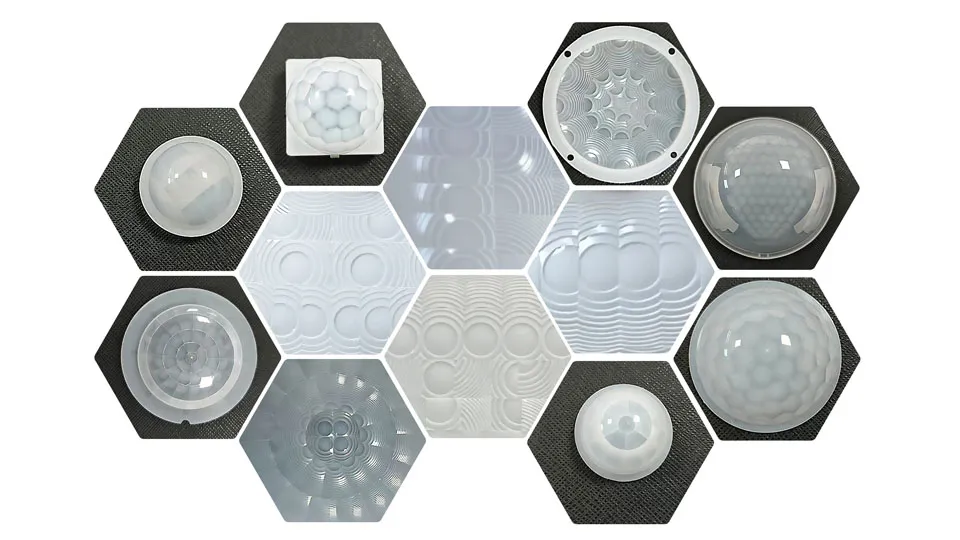
Infrared Fresnel lenses can be manufactured in different shapes depending on application requirements.
Shape types
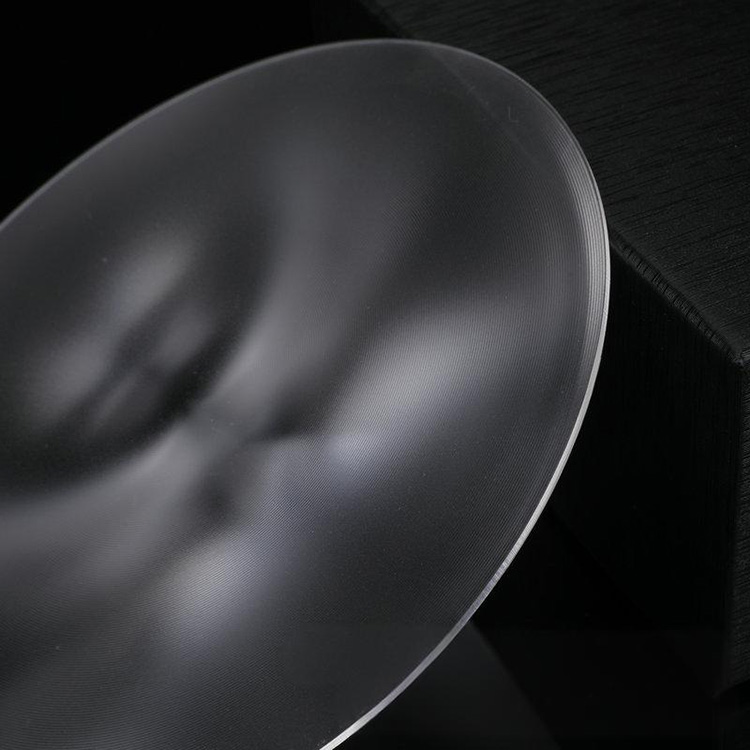
- Circular lenses
- Square lenses
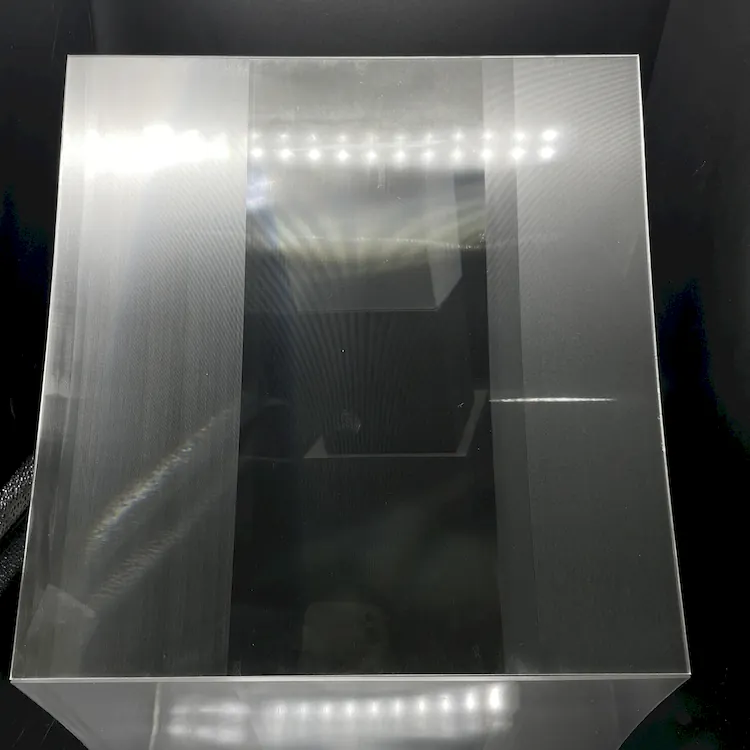
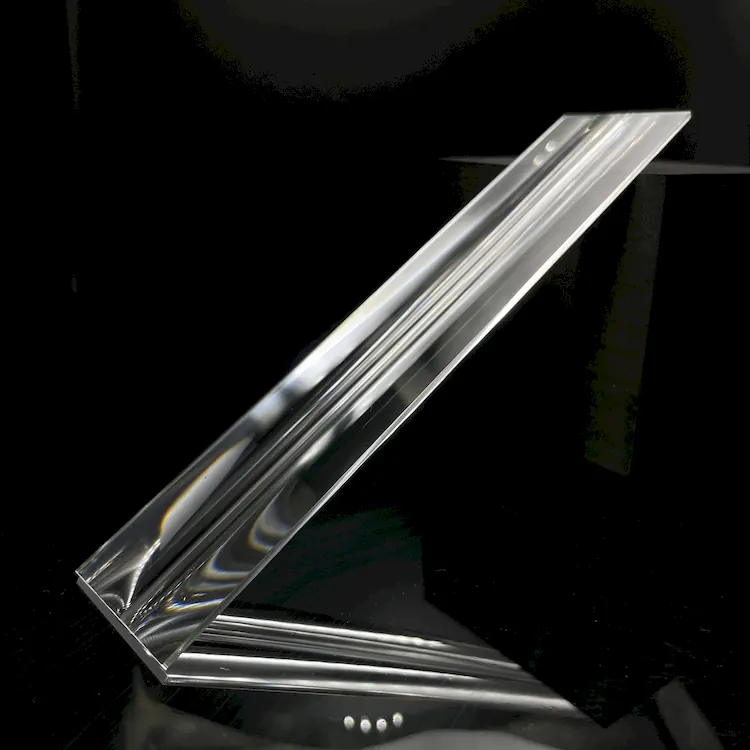
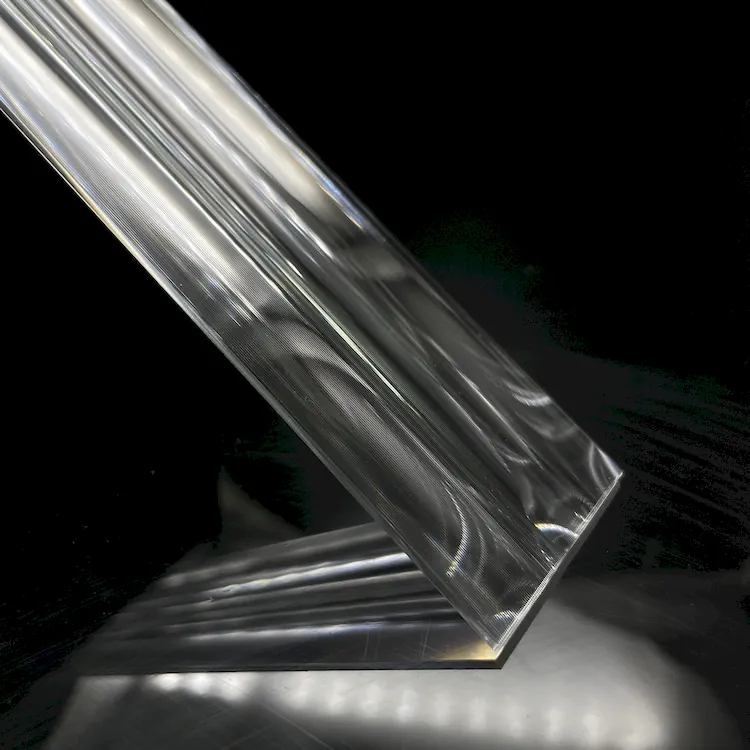
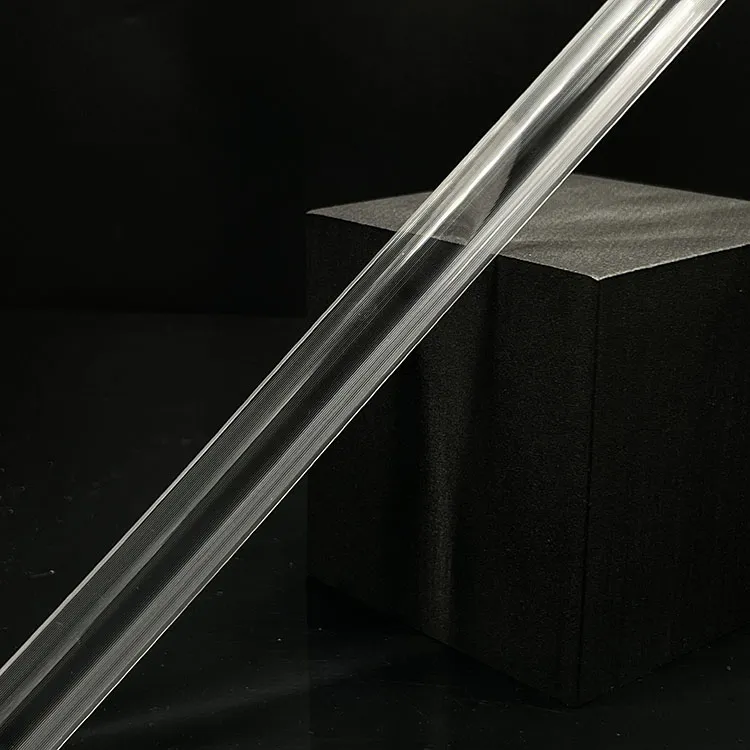
- Rectangular or linear lenses
Functional structures
- Single-zone multi-segment lenses
- Dual-zone multi-segment lenses
- Multi-zone multi-segment lenses
Different designs are suitable for applications such as:
- Motion sensors
- Door sensors
- Smart lighting systems
- Security alarms
Materials and Colors of Infrared Fresnel Lenses
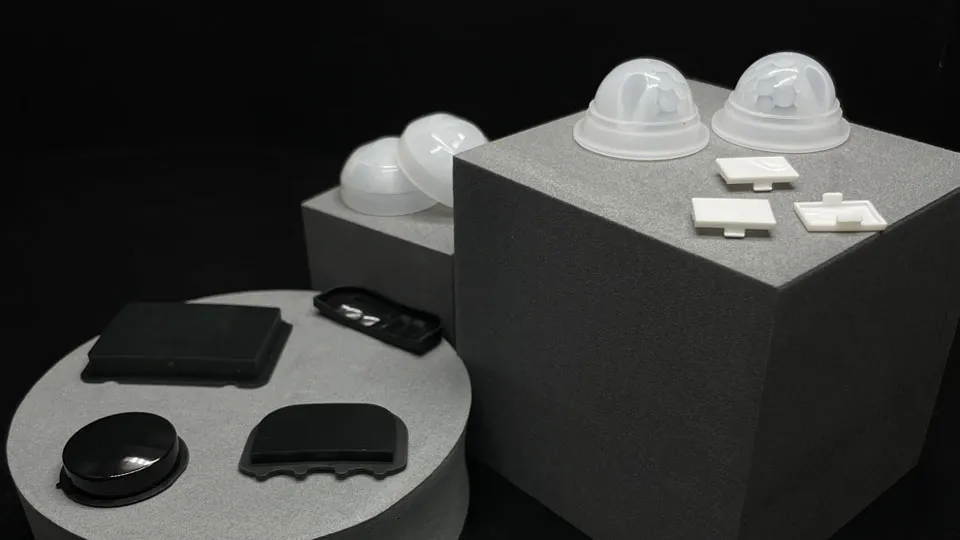
Most PIR Fresnel lenses are manufactured from polyethylene (HDPE) or other optical polymer materials.
Common color options include:
Natural translucent
- High infrared transmission
- Widely used in PIR sensors
White
- Used to match device housings
Black
- Helps reduce strong light interference in some environments
Lens colors can also be customized to match the appearance requirements of the final product.
How PIR Motion Detection Works
When a person enters the detection area, the infrared radiation emitted by the human body passes through the Fresnel lens.
The lens focuses the infrared signal onto the PIR sensing element from different detection zones, such as:
- Long-range detection zone
- Mid-range detection zone
- Short-range detection zone
The PIR sensor converts these infrared signals into electrical signals, which are then processed by electronic circuits to trigger alarms, lighting systems, or automation devices.
This technology is commonly referred to as Passive Infrared Motion Detection.
Custom Fresnel Lens Manufacturing by Yuying Optical
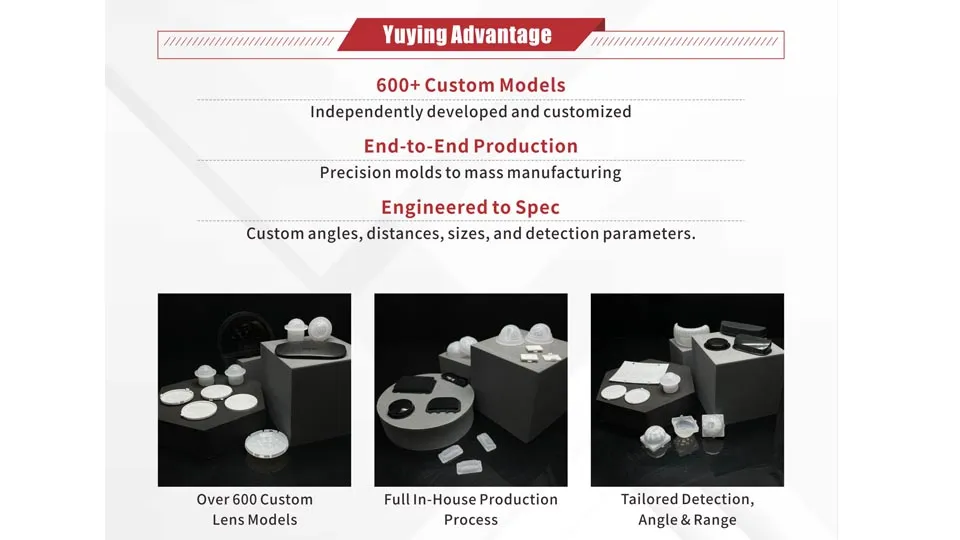
With more than three decades of manufacturing experience, Shandong Yuying Optical Instrument Co., Ltd. offers customized Fresnel lens solutions for PIR sensor applications.
Capabilities include:
- Optical design and simulation
- Fresnel lens mold development
- Custom sensing distance design
- Large-scale production
Prototype development typically takes around 30 days, depending on the complexity of the lens structure.
As motion sensing technology continues to evolve, Fresnel lens design is also developing toward higher precision optical segmentation and application-specific customization.
What is a Fresnel lens in a PIR sensor?
A Fresnel lens is a thin optical lens with concentric grooves that focuses infrared radiation onto the PIR sensing element and divides the sensing area into multiple detection zones.
Why are Fresnel lenses used in motion sensors?
Fresnel lenses help PIR sensors focus infrared energy and create detection zones, allowing the sensor to detect moving heat sources such as humans.
What material is used for PIR Fresnel lenses?
Yuying Optical infrared Fresnel lenses are made from polyethylene (HDPE) materials due to their high infrared transmission and ease of manufacturing.
Can Fresnel lenses be customized for PIR sensors?
Yes. Fresnel lenses can be customized for different sensing distances, detection angles, and sensor structures depending on the application.